.jpg)
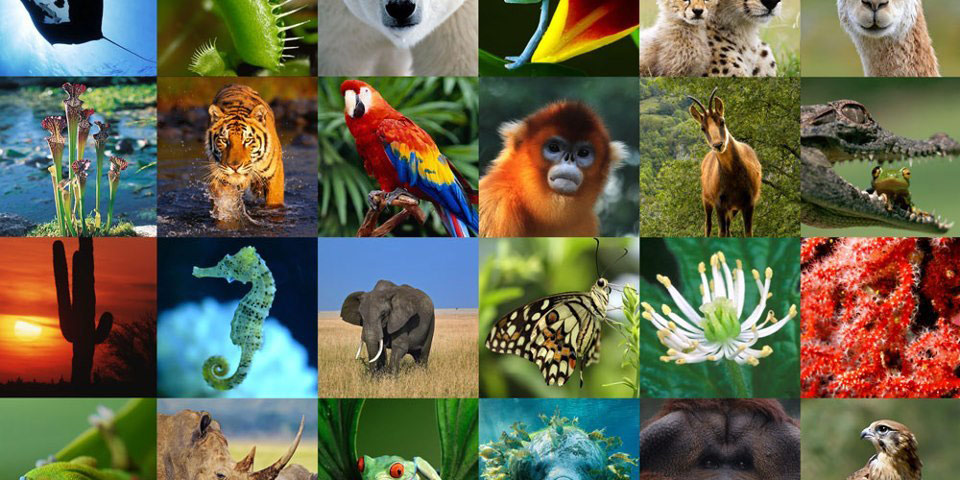
Biodiversity loss is considered one of the most serious environmental challenges of our time, and Armenia is actively engaged in this global struggle.
Within our country’s relatively small territory, a surprising natural world is concentrated: more than 3,600 plant species and around 17,500 animal species, making Armenia one of the most important biodiversity hotspots in the region.
To preserve this wealth, Specially Protected Nature Areas (SPNAs) were established, covering about 13% of the country’s total territory. For comparison, it is worth noting that in neighboring Georgia this figure is about 9%, and in Azerbaijan it is 10%, which testifies to the high level of responsibility Armenia has shown in nature conservation for decades.
The main pillars of this natural heritage protection are our national parks and reserves, such as “Sevan,” “Dilijan,” “Lake Arpi,” and “Arevik” national parks, as well as the “Khosrov Forest,” “Erebuni,” and “Shikahogh” state reserves. These areas are not only islands of biodiversity security but also vital centers for scientific research and the development of ecotourism, where unique species on the brink of extinction are preserved. As a party to the Convention on Biological Diversity, Armenia consistently fulfills its international obligations, aligning local efforts with the global environmental agenda.
October 2026 will be a turning point on this journey, as Yerevan will host the COP17 Conference of the Parties to the Convention on Biological Diversity—one of the world’s largest and most influential environmental events. Delegations from more than 190 countries, international organizations, and leading scientific centers will participate in the event to review the planet’s global biodiversity targets. All of this makes COP17 not only a major environmental event but also a significant organizational one; however, at the same time, the capacity and skills of Armenian organizers are being questioned—whether they are ready to ensure the high-level organization of an international conference of such scale.
And let us remember that the conservation of biodiversity is necessary not only for nature but also for improving the quality of human life. It ensures clean water and air, food security, agricultural stability, and a healthy ecosystem for each of us.